Think about how much time you spend in your kitchen every day. Making morning tea, cooking meals, grabbing snacks, or packing leftovers, it’s the heart of the home. Now imagine opening a cabinet where everything is neatly arranged, easy to find, and stays fresh longer. That’s the power of choosing the right types of kitchen storage containers.
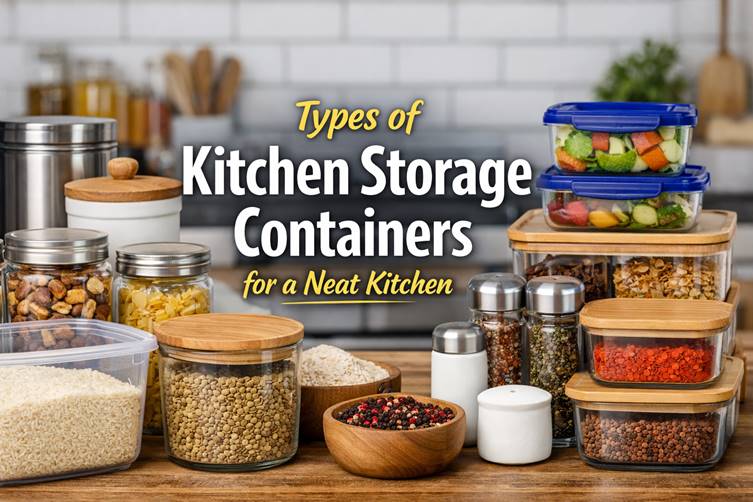
Kitchen storage containers are not just boxes with lids. They directly affect food quality, hygiene, organization, and even how enjoyable cooking feels. From dry grains to leftovers, from spices to snacks, each item needs a specific container to stay fresh and accessible.
In this guide, we’ll walk through the key types of kitchen storage containers, explain where and why each is useful, and help you make smarter choices for a more organized kitchen.
Why Choosing the Right Types of Kitchen Storage Containers Is Important?
Before we explore the different types of kitchen storage containers, let’s understand why they matter so much in everyday life.
Proper kitchen storage containers help:
- Preserve food freshness and flavor
- Prevent moisture, pests, and bacterial growth
- Reduce food waste and unnecessary grocery expenses
- Improve kitchen efficiency and workflow
- Maintain cleanliness and hygiene.
When food is stored well, you spend less time searching and more time cooking. The right types of kitchen storage containers can truly upgrade your kitchen experience.
Types of Kitchen Storage Containers Based on Material
Material plays a crucial role in food safety, durability, and daily usability. Let’s look at the most common types of kitchen storage containers based on material.
1. Plastic Kitchen Storage Containers
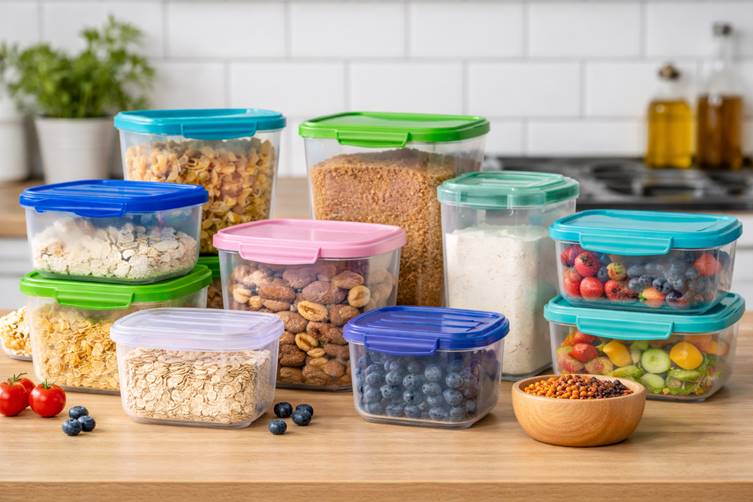
Plastic containers are among the most widely used kitchen storage containers, especially for everyday use.
Best suited for:
- Rice, flour, and sugar
- Snacks and biscuits
- Refrigerator storage
- Lunchboxes and meal prep.
Advantages:
- Lightweight and easy to carry
- Affordable and easily available
- Available in a wide variety of sizes and designs.
Limitations:
- Can absorb stains and odors over time
- Lower-quality plastic may warp with heat.
When choosing plastic storage, always opt for food-grade, BPA-free plastic to ensure safety. Use these types of kitchen storage containers for daily storage, but replace them as soon as they show signs of wear.
2. Glass Kitchen Storage Containers
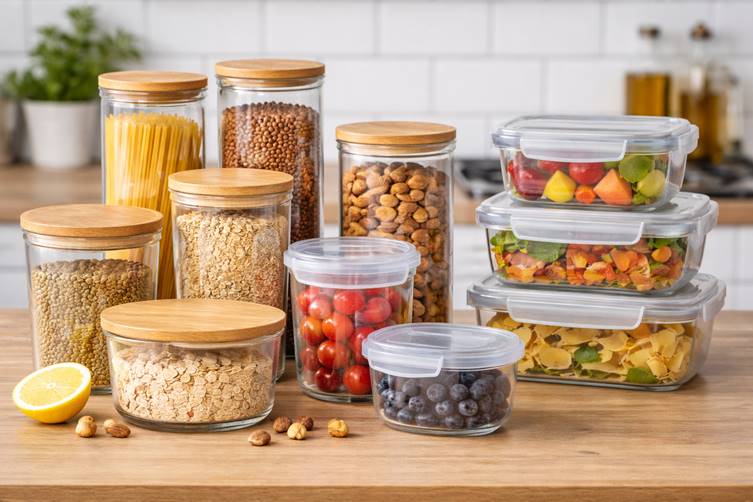
Glass containers are premium kitchen storage options known for their safety and elegance.
Best suited for:
- Spices and condiments
- Pickles, jams, and sauces
- Leftovers and cooked food.
Advantages:
- Non-reactive and chemical-free
- Does not absorb smells or stains
- Microwave and dishwasher safe (without lids)
- Transparent, making it easy to identify contents.
Limitations:
- Heavier than plastic
- Can break if dropped.
Glass containers are ideal if you prioritize food safety and want a clean, modern-looking kitchen.
3. Stainless Steel Kitchen Storage Containers
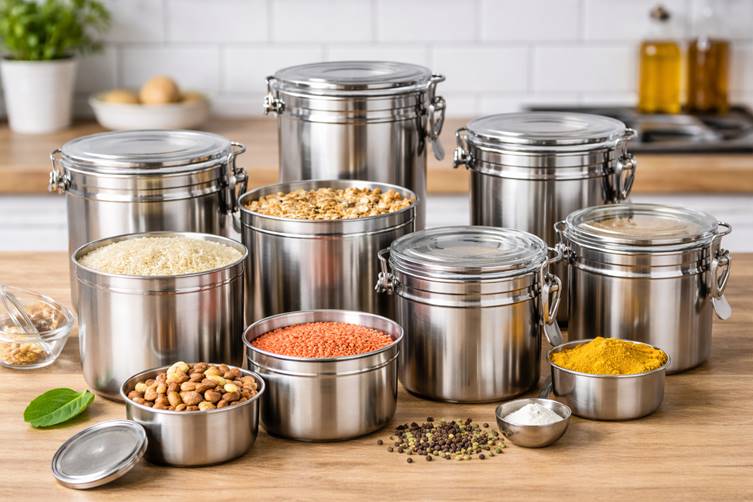
Stainless steel is one of the most traditional and durable types of kitchen storage containers, especially popular in Indian kitchens.
Best suited for:
- Grains, pulses, and flour
- Cooked food storage
- Long-term pantry storage.
Advantages:
- Extremely durable and long-lasting
- Resistant to rust and corrosion
- Does not retain odors
- Ideal for humid climates.
Limitations:
- Not microwave-safe
- Contents are not visible.
These types of kitchen storage containers are perfect for those who want reliability and minimal maintenance.
4. Ceramic Kitchen Storage Containers
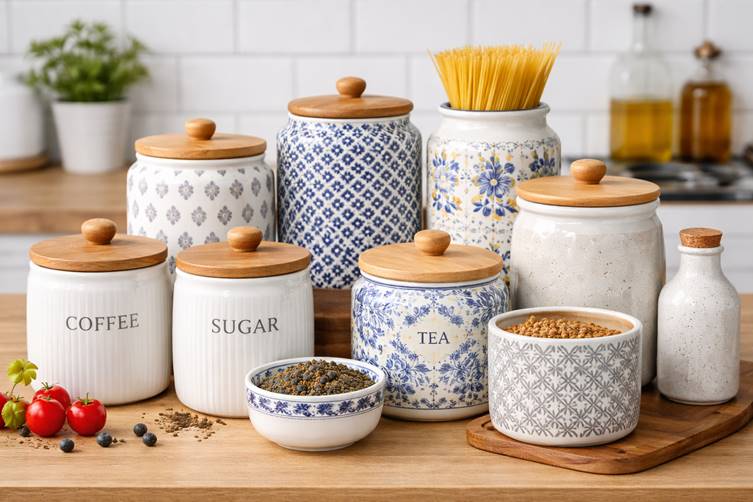
Ceramic containers are stylish, decorative kitchen storage options that add charm to the kitchen.
Best suited for:
- Tea, coffee, and sugar
- Cookies and snacks
- Countertop storage.
Advantages:
- Non-toxic and food-safe
- Attractive designs and finishes
- Ideal for visible storage.
Limitations:
- Fragile and prone to chipping
- Usually heavier and more expensive.
Ceramic containers are best for storage that also enhances kitchen aesthetics.
Types of Kitchen Storage Containers Based on Usage
Different foods have different storage needs. Let’s explore types of kitchen storage containers based on their purpose.
1. Dry Food Storage Containers
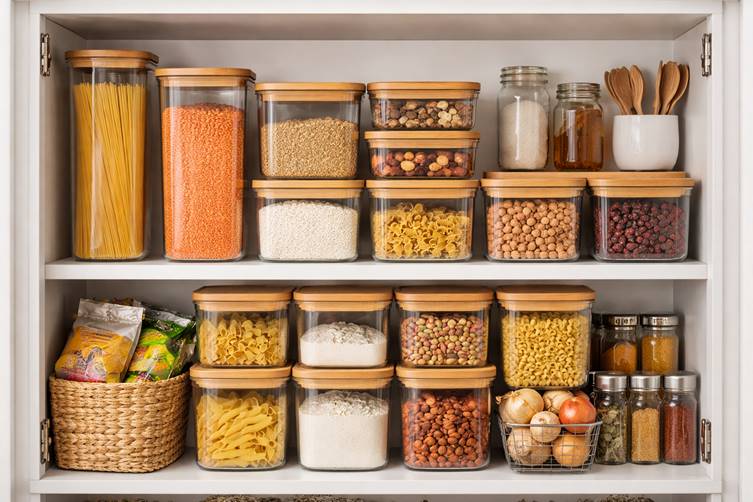
Dry food containers are essential types of kitchen storage containers for pantry organization.
Common items stored:
- Rice, wheat, oats, and cereals
- Lentils, beans, and pulses
- Sugar, salt, and spices.
Why they matter:
- Prevent moisture absorption
- Protect against insects and pests
- Keep food fresh for longer.
Airtight dry-food containers are especially important in warm, humid climates.
2. Airtight Kitchen Storage Containers
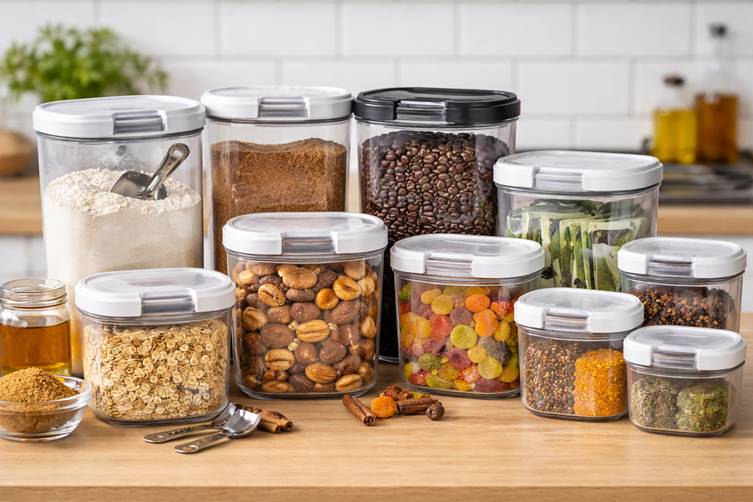
Airtight containers are among the most important types of kitchen storage for preserving freshness.
Best suited for:
- Flour and baking ingredients
- Snacks, dry fruits, and nuts
- Coffee, tea, and spices.
Benefits:
- Prevent air and moisture entry
- Maintain aroma and texture
- Extend shelf life.
Look for containers with silicone seals or locking lids for maximum effectiveness.
3. Refrigerator Storage Containers
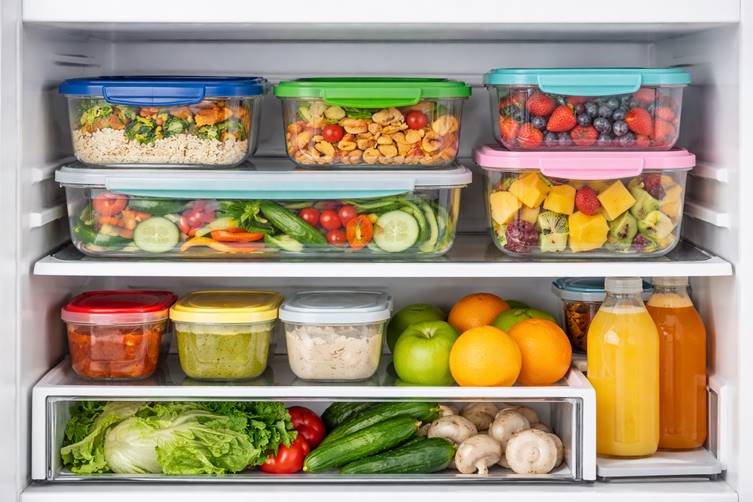
Refrigerator-specific containers are practical types of kitchen storage containers designed for cold storage.
Best suited for:
- Leftover meals
- Chopped vegetables and fruits
- Sauces and dips.
Why use them:
- Keep food organized and visible
- Reduce odor mixing inside the fridge
- Make cleaning easier.
Stackable refrigerator containers help maximize fridge space.
4. Microwave-Safe Kitchen Storage Containers
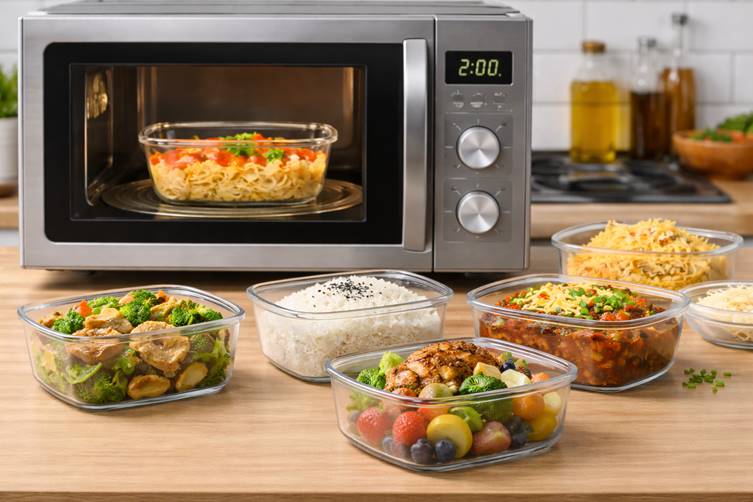
These types of kitchen storage containers allow you to reheat food safely.
Best suited for:
- Meal prep and batch cooking
- Office lunches
- Leftovers.
Key features:
- Heat-resistant material
- Venting lids for steam release.
Always remove lids or open vents before microwaving to avoid pressure buildup.
5. Spice Storage Containers
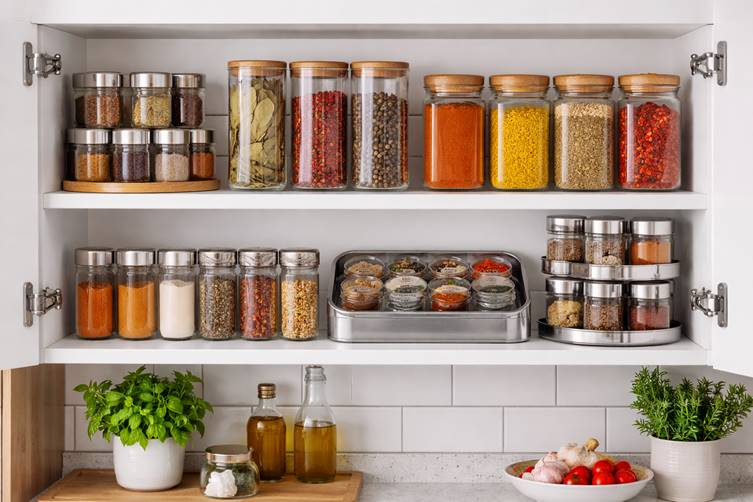
Spice containers are small yet essential kitchen storage for everyday cooking.
Common options include:
- Glass spice jars
- Stainless steel spice boxes
- Rotating spice racks.
Benefits:
- Keep spices fresh and aromatic
- Easy access during cooking
- Prevent contamination.
Proper spice storage enhances both flavor and cooking efficiency.
Types of Kitchen Storage Containers Based on Design
Design-focused containers help improve organization and space management.
1. Stackable Kitchen Storage Containers
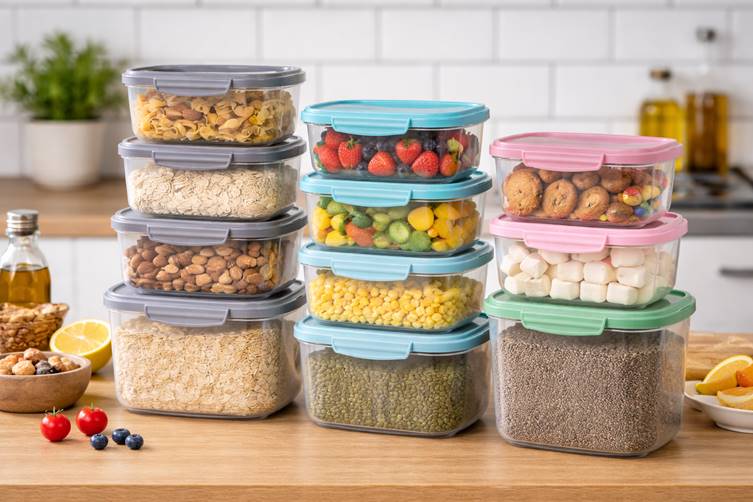
Stackable containers are space-saving kitchen storage options ideal for small kitchens.
Benefits:
- Efficient use of cabinet height
- Easier organization
- Clean and clutter-free appearance.
2. Modular Kitchen Storage Containers
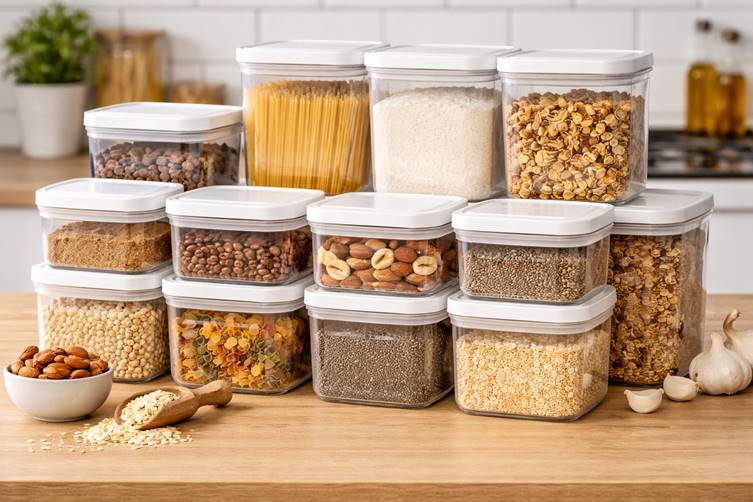
Modular containers are uniform kitchen storage units designed to work together.
Benefits:
- Neat and symmetrical layout
- Easy to rearrange
- Ideal for modern kitchens.
They help create a visually appealing storage system.
3. Transparent Kitchen Storage Containers
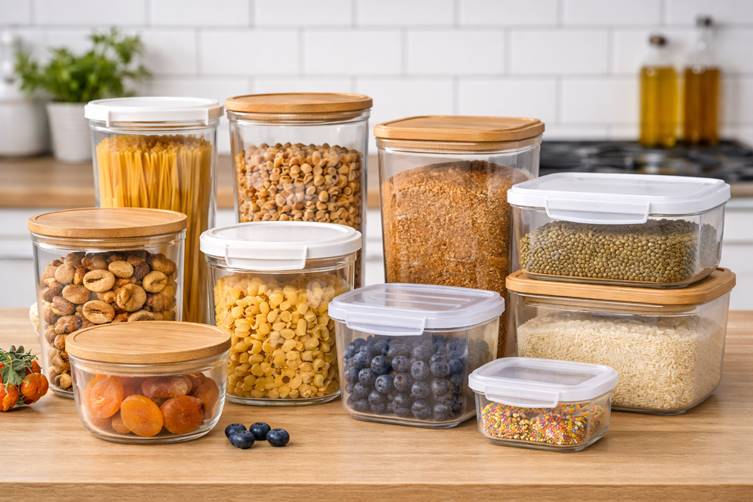
Transparent containers are highly practical kitchen storage options.
Benefits:
- Easily identify contents
- Track quantity at a glance
- Reduce overbuying and food waste.
They are especially useful for pantry organization.
How to Choose the Best Types of Kitchen Storage Containers for Your Home?
With so many types of kitchen storage containers available, making the right choice becomes easier when you consider:
- What food do you store most often
- Available storage space
- Frequency of use
- Safety and durability
- Ease of cleaning.
Mix and match different types of kitchen storage containers rather than relying on a single material or style.
Final Thoughts
Investing in the right types of kitchen storage containers is one of the simplest ways to improve your kitchen without a major renovation. A well-organized kitchen saves time, reduces stress, and makes cooking genuinely enjoyable.
Start with essentials, replace old containers gradually, and build a system that works for your lifestyle. Once you organize your kitchen, you’ll feel the difference every single day.
Frequently Asked Questions (FAQs)
Q1. How often should you clean kitchen storage containers?
Answer: Clean kitchen storage containers at least every 2 to 3 weeks. Containers used for cooked food or leftovers should be washed after each use to prevent bacterial growth and odors.
Q2. Can kitchen storage containers affect food taste?
Answer: Yes, poor-quality containers can affect the taste of food. Low-grade plastic may absorb odors or leach chemicals, which is why glass and stainless steel containers are better for long-term food storage.
Q3. Is it better to store food in original packaging or containers?
Answer: Storing food in proper kitchen storage containers is better than keeping it in its original packaging. Containers protect food from moisture, pests, and air, helping it stay fresh longer.
Q4. Do kitchen storage containers help reduce food waste?
Answer: Yes, organized kitchen storage containers make it easier to see and use food before it expires. This reduces the number of forgotten items and helps prevent unnecessary food waste.
Q5. Can I use the same container for different foods?
Answer: Yes, but clean containers thoroughly between uses. Spices and oily foods can leave strong odors if you don’t wash containers properly.